


Six years ago, I was in the heart of one of Kuala Lumpur’s busiest hospitals, training in one of the most demanding surgical fields in the country. Long hours, high-stakes decisions, and the constant pressure of saving lives-it was the only reality I had ever known.

How to get CKAPS registration to set up a private clinic in Malaysia. A comprehensive guide for doctors.
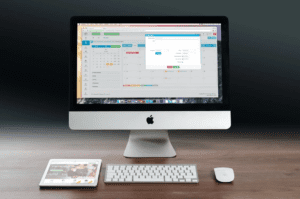
In today’s fast-paced healthcare environment, managing a clinic efficiently requires more than just medical expertise. Administrative tasks, patient records, billing, scheduling, inventory management, and more must be handled seamlessly to ensure the smooth operation of a clinic. This is where Clinic Management Software (CMS) comes into play. But what exactly is CMS, and how does it help in running a clinic effectively? Let’s dive in to understand the fundamentals of Clinic Management Software. Clinic Management Software (CMS) is a digital tool designed to streamline the operations of a healthcare facility. It centralizes various administrative and clinical tasks into one system, making it easier for clinics to manage everything from patient records to billing and scheduling. Key Features of CMS Benefits of Using CMS Types of CMS Understanding what CMS is and its benefits naturally raises two important questions: Why should clinics adopt CMS, and how can they choose the best one? Selecting the right CMS depends on several factors, including the size of your clinic, the specific features you need, your budget, and whether you prefer a cloud-based or on-premise solution. It’s essential to evaluate different options, considering the scalability, ease of use, customer support, and cost before making a decision. Check out the list of affordable and reliable CMS in the GP Clinic Solutions Hub . The GP Solutions Hub is everything a doctor needs for building and running a GP clinic: services, clinic management software, financing, medications, equipment, articles, workshops, and more. Conclusion Clinic Management Software is a powerful tool that transforms the way clinics operate. By automating administrative tasks, enhancing patient care, and providing valuable insights into clinic performance, CMS helps healthcare providers run their practices more efficiently and effectively. Whether you’re managing a small clinic or a large healthcare facility, investing in the right CMS can make a significant difference in your daily operations and long-term success. Read an article on what compounding pharmacy is and why should doctors care?

Technology in healthcare has always been seen as an aspiring ever-growing factor that helps to not only improve the way patients are treated but also the way healthcare workers operate within their space, be it in a hospital, clinic or a wellness center even. Digital transformation has always been touted as a need for the industry but we mostly saw the acceleration of adoption and integration when the Covid-19 pandemic hit us back in 2020. Telehealth services which were always present came into the spotlight as the demand and need rose with 90% of the population at home looking to prioritise their health without stepping out. A decade ago, when I started my journey as a doctor in the NHS system, the system that I used was HIS , which remained to be the same for the next 10 years of my journey as a medical officer. The situation remained similar even in Malaysia right up till the pandemic, where AI and telehealth received more focus. It’s All About Strengthening While telehealth has been developing in Malaysia, adoption was relatively low and challenges were abundant prior to the pandemic. The public still preferred face to face appointments and telehealth platforms was not a priority. This changed during the first wave of the pandemic where choice to visit hospitals and fulfill appointments were limited hence the push to opt for telehealth platforms naturally came about. However, as we transition into the new normal, more and more are heading back towards old preferences choosing face to face appointments. So what can we do to reprioritise technology in order to ease the burden on both patients and healthcare workers? To me, it’s all about strengthening the offerings we already have. The digital care ecosystem in Indonesia and Thailand is experiencing a higher level of demands and expenditure. According to the WHO’s global health expenditure database, Indonesia’s health expenditure came to $36 billion in 2020, up 71% from 2010, while Thailand’s nearly doubled to $22 billion during the same period. Medical spending in other Southeast Asian countries has also increased dramatically. With populations across the bigger cities in Indonesia opting for telehealth consults, can the same be said for Malaysians? This is where telehealth and healthtech providers would need to delve deeper into collaborations to enhance user experience and ensure more people see these options as means to making their healthcare experience efficient , rather than having to go through multiple physical visits and long waiting times. Strengthening an already present integrated approach is a must to ensure healthtech offering becomes a part of the everyday Malaysian life. Healthtech providers will also have to focus on providing solutions that go beyond just treating fever and cough. How do we better enhance services that cover other conditions and NCDs in particular. Treating Technology As A Tool To Assist The fear towards utilising healthtech is present on both sides, the patients and between doctors. To me, it should be seen as a tool to better the craft we are involved in. With AI and new wearables for instance, these offerings do not necessarily replace our day to day duties but merely reduce our burden in seeing patients. Uttilisation and adoption of technology will also assist in broadening the market for doctors everywhere, allowing us to offer our expertise to patients beyond the Malaysian border. However, I am also of the opinion for the need for proper regulations and certification for doctors to truly embrace contributing to the country’s medical tourism economy as well. In a digital world, this move will further strengthen Malaysia’s position as a healthcare hub The Learning Continues Some of the common questions I often get from doctors is where do we start and does it really matter in the long run? Technology is a fast-pacing factor in any industry , and within the healthcare space, it can be equally daunting to keep up with. With the rise of AI and healthtech offerings, it may not be easy hence this is where the need to prioritise comes into play. Whether you are a GP or a medical officer in a government hospital setting, it is important to understand which part of healthech matters to your market of patients. More and more patients are into wearables to better track their health and as doctors, it is imperative to understand how our treatment can be in sync with their initiatives and technology. Upskilling yourself in accordance with new offerings and understand on how these can fit with our way of treating patients can go a long way in building a trust with patients.

The GP with Special Interest (GPwSI) model has been widely implemented in countries such as the United Kingdom, where it has been shown to improve the quality of care provided in primary care clinics. In Malaysia, the implementation of GPwSIs has the potential to bring many benefits to the healthcare system, including reduced referrals to specialists and hospitals, and a decrease in the burden on the secondary care system. GPwSIs are general practitioners with a special interest in a particular area of medicine, such as women’s health, men’s health, paediatrics, sports medicine, wound care, dermatology, mental health, or emergency medicine. For example, a GP with a special interest in emergency medicine could follow the footsteps of the National Health Service (NHS) in the United Kingdom and open out-of-hours primary care centres, which can see more complicated cases and reduce the number of patients in emergency department (ED) green and yellow zones. The benefits of having GPwSIs are numerous. By increasing the number of specialised GPs, we can improve the quality of care provided in primary care clinics and reduce unnecessary referrals to specialists. Studies have also shown that GPwSIs can improve the management of chronic illnesses in primary care and provide a better quality of care to patients. In the private primary care system, the implementation of GPwSIs could improve the confidence of the public in primary care clinics and reduce the number of patients bypassing primary care to seek care at private hospitals. However, there are also challenges and limitations to implementing the GPwSI model in Malaysia. One potential challenge is the lack of recognition and support from the government and regulatory bodies. There may also be a lack of infrastructure and resources in primary care clinics to support GPwSIs. Additionally, attracting and retaining GPs with special interests may be difficult, as they may face competition from hospitals and specialty clinics. Ensuring that GPwSIs have the necessary skills and competencies to provide high quality care in their areas of special interest may also be a challenge. Despite these challenges, the benefits of implementing the GPwSI model in Malaysia are clear. By increasing the number of GPs with special interests, we can improve the quality of care provided in primary care clinics, reduce unnecessary referrals to specialists and hospitals, and decrease the burden on the secondary care system. It is important for the government, regulatory bodies, and primary care providers to work together to overcome the challenges and create a supportive environment for the implementation of GPwSIs in Malaysia. If you are interested in building your own GP clinic in Malaysia check out this article. If you are a doctor who’s about to join a small GP clinic chain – read this article to know what are the red flags to look out for when you join a smaller GP clinic chain. Read on the state of Malaysia’s secondary care system. Check out the GP Clinic Solutions Hub , everything a doctor needs for building and running a GP clinic: services, clinic management software, financing, medications, equipment, articles, workshops, and more.
Please wait...