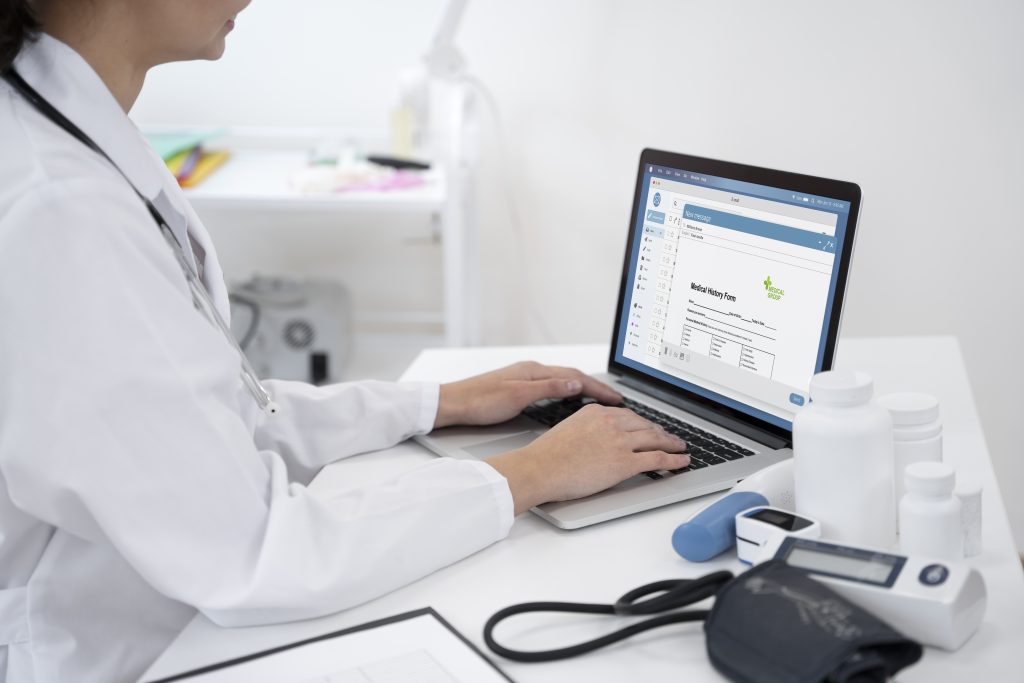
Running a general practice (GP) clinic is no small feat. From managing patient records and appointments to handling billing and inventory, the administrative tasks can quickly pile up. For many clinics, these tasks are still handled manually, leading to a host of challenges that can impede efficiency and patient care. This is where Clinic Management Software (CMS) comes into play. In this article, we’ll explore why GP clinics should consider adopting a CMS and how it can make a significant difference in daily operations.
1. Reducing Errors and Enhancing Accuracy
One of the most significant challenges of managing a clinic manually is the potential for errors. Handwritten records can be difficult to read, prone to mistakes, and easily misplaced. A CMS helps to eliminate these issues by digitizing patient records, ensuring that all information is clear, accurate, and easily accessible. This reduces the risk of errors in patient care, which is crucial for maintaining a high standard of service.
2. Cost-Effective Record Keeping
Maintaining patient records manually can be costly, especially considering that all records need to be kept for at least 7 years. There’s even a case of a senior GP who kept his records manually for decades—he eventually had to rent two levels of a shop lot just to store his records and meet compliance requirements. This not only added a significant expense but also made retrieving patient files a cumbersome task.
The physical storage of records incurs costs related to filing, storage, and retrieval. As the number of records grows, so does the need for more storage space, which could mean renting additional space or investing in more filing cabinets. A CMS, on the other hand, stores all records digitally, eliminating the need for physical storage and reducing associated costs. It also makes it easier to retrieve patient files quickly, ensuring smooth and efficient operations.

3. Supporting a Green Initiative
In today’s world, sustainability is more important than ever. Manual record-keeping is not a green option—it involves a lot of paper, ink, and physical storage materials. By switching to a CMS, clinics can significantly reduce their paper usage, contributing to environmental conservation efforts. Digital records not only save trees but also reduce the carbon footprint associated with transporting and storing physical files.
4. Staying Up-to-Date with Technology
The healthcare industry is constantly evolving, with new technologies emerging that can enhance patient care and streamline clinic operations. Clinics that rely on manual processes may find it challenging to keep up with these advancements, putting them at a disadvantage. A CMS keeps your clinic in line with current trends and technologies, ensuring that you’re always ahead of the curve. It also makes it easier to integrate with other digital tools, providing a more comprehensive and modern approach to patient care.
5. Preventing Loss or Theft of Records
Manual records are vulnerable to loss, theft, or damage due to unforeseen circumstances like fires, floods, or simple misplacement. In some cases, there’s even the risk of pilferage by staff. Lost records can lead to significant problems, including legal issues, loss of patient trust, and potential financial penalties. A CMS provides a secure, digital repository for all your records, ensuring they are safe from physical threats and easily recoverable in case of a disaster.
6. Efficient Inventory Management and Preventing Theft
Managing inventory in a clinic is a complex task, particularly when done manually. It’s easy to lose track of items, overlook expiry dates, or fail to reorder supplies on time. Additionally, there’s the risk of pilferage of medication by staff, which can lead to financial losses and stock shortages. Without a proper tracking system, it’s easy for medications to go missing without anyone noticing.
A CMS with an inventory management feature allows you to monitor your stock levels in real-time, set up automatic alerts for reordering, and track expiry dates to prevent wastage. This not only ensures that your clinic is always well-stocked but also helps in managing costs by reducing waste and avoiding unnecessary purchases. It also enhances security by tracking inventory more effectively, helping to prevent theft and misuse of medications.
7. Compliance with CKAPS Recommendations
The Private Medical Practice Control Section (CKAPS) has advised clinics to use a CMS to streamline their operations. By adopting a CMS, clinics not only align with these recommendations but also benefit from the enhanced efficiency and accuracy that digital systems offer. It’s an essential step towards maintaining compliance and ensuring that your clinic meets the standards set by regulatory bodies.

8. Streamlining Operations and Enhancing Efficiency
A unified CMS system streamlines all your clinic’s operations, from scheduling appointments to managing patient records, billing, inventory, and even staff management. This leads to a more efficient workflow, reducing the time spent on administrative tasks and allowing staff to focus more on patient care.
For instance, a CMS can help keep track of staff hours and timing, ensuring accurate payroll management and preventing time theft. The result is a smoother, more organized clinic where everyone knows what to do, when to do it, and how to do it effectively.
9. Scalability and Long-Term Cost Savings
As your clinic grows, so does the volume of patient records, appointments, and inventory. Manually managing this increasing workload becomes increasingly difficult and costly. A CMS is scalable, meaning it can grow with your clinic without the need for significant additional investment. Over time, the cost savings from reduced storage needs, fewer errors, and more efficient operations make a CMS a wise investment for any clinic looking to the future.
10. Moving Towards a Digital Nation
As Malaysia and the rest of the world move towards becoming more digital, it’s essential for clinics to keep pace. Patients today expect their healthcare providers to be technologically savvy, offering conveniences like online appointment booking, digital prescriptions, and secure electronic communication. By adopting a CMS, your clinic can meet these expectations and remain competitive in an increasingly digital healthcare landscape.

11. Data Security
Protecting patient data is a top priority for any clinic. Manual records are susceptible to damage, loss, or unauthorized access, putting sensitive information at risk. A CMS provides robust data security measures, including encryption, access controls, and regular backups, ensuring that patient data is safe and secure. This not only protects your clinic from data breaches but also builds trust with your patients, who can be confident that their personal information is in safe hands.
Conclusion
The benefits of using a Clinic Management Software (CMS) for GP clinics are clear. From reducing errors and costs to enhancing efficiency and data security, a CMS is an essential tool for modernizing your clinic and providing the best possible care for your patients. As we move towards a more digital future, adopting a CMS will ensure that your clinic remains competitive, compliant, and capable of delivering the high-quality care that your patients expect.
Check out the list of affordable and reliable CMS in the GP Clinic Solutions Hub .
The GP Solutions Hub is everything a doctor needs for building and running a GP clinic: services, clinic management software, financing, medications, equipment, articles, workshops, and more.