Healthcare faces many challenges such as the storage of patient records, a reliable hospital information management system, the maintenance of numerous medical equipment, in scrutinizing medication errors and much more. Enter, Information and Communication Technology (ICT) and just like that, vast amounts of time and manpower consumption is slashed down through an amalgam of information, communications, and media technologies!
There is no doubt that Information Communication Technology has greatly impacted healthcare. Its benefits are numerous. This is clearly seen in the quality of improved patient care, in patient security, data protection, and in the reduction of operating and administrative costs, manpower, and time.
There are some areas where ICT has made a profound impact on healthcare. The first is health education. Doctors are the best persons to create awareness among the public about diseases be they infectious diseases or otherwise. Doctors are well-versed with preventive measures, treatment procedures and the like.
Doctors know how the information needs to be conveyed, its sequencing and so on while the solution providers create the software based on clear input and guidance from the doctors. This gives the public the choice of what treatment they wish to pursue and allows them to pick the hospital they wish to receive treatment at.
The second area where ICT has contributed to healthcare is in the area of patient management. ICT helps the hospitals to be more patient-centric as data on patient safety, treatment plan, and medication is available to doctors with a click of a button. Imagine the time, manpower, and costs saved in managing records with errors being minimized. A more patient-centric healthcare is truly one of the biggest contributions of ICT.
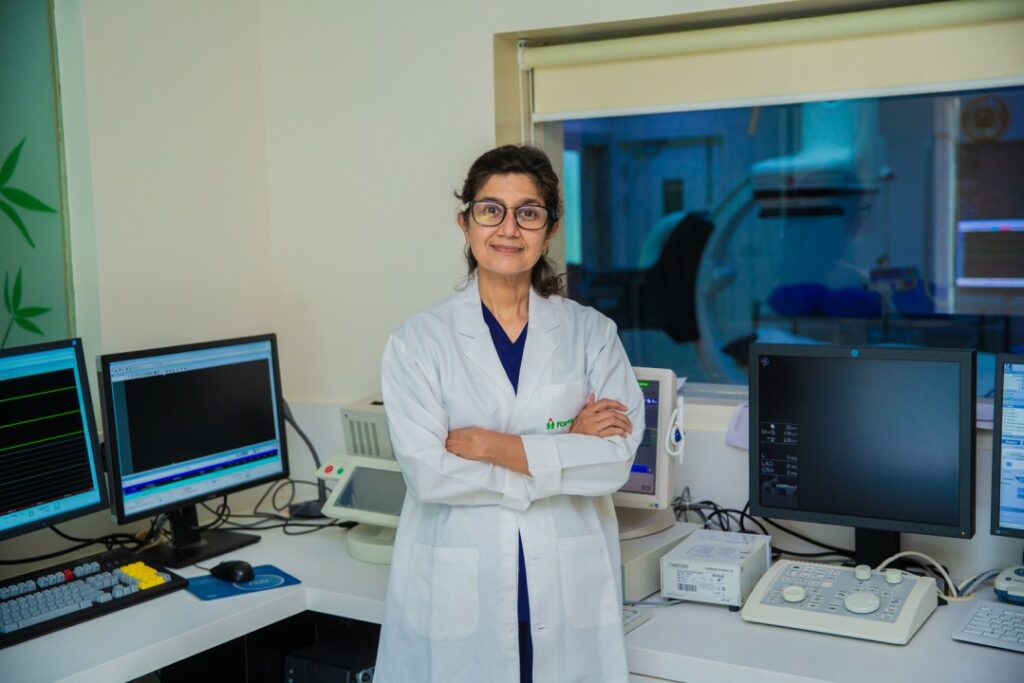
Doctors are the best people to work on the information system of a hospital because they know the workflow of the system and the software implementation phase. While they are needed for their input to the solution providers, their services are pivotal in the testing of the workflow and in the implementation of the software in a particular health facility. From patient registration to viewing the history of the patients to the various investigations needed such as radiology and laboratory systems to the solution phase as well as medication history, doctors’ input is of crucial importance to solution providers.
In the area of medical research, who better than doctors in healthcare research to find possible preventive measures to reduce and eradicate the spread of illnesses? New diagnostic technologies are best served by input from consultants in the relevant fields.
The problem is when solution providers come up with software on the basis that it is a good business idea but which fails to meet the practical needs in healthcare. In life, this is known as putting the cart before the horse. It simply doesn’t work. Healthcare software is better served if doctors’ input and experience as users of the software is sought in the first place.
A domain consultant who is a medical doctor implored solution providers to gain the input and guidance from doctors when they design the module, features, and the functionalities of a system. Only after understanding and having a good grasp of what is needed should solution providers proceed to design a software.
The argument here is a logical one. The use of ICT in healthcare demands that the horse be placed before the cart. Sadly, at this moment in time, doctors in Malaysia are being used mostly as spokespersons to market healthcare software. Rarely are they used as consultants by solution providers. Still remote is the idea of solution providers being in continuous consultation with doctors involving the module, features, functionalities, and design of the software.
We urge healthcare ICT companies and businesses to employ and use the expertise of doctors in health education, in patient management systems in hospitals, and in health research. The use of doctors in the afore-mentioned areas will guarantee high ROI and more crucially, change the face of healthcare in Malaysia where patient safety is paramount.