
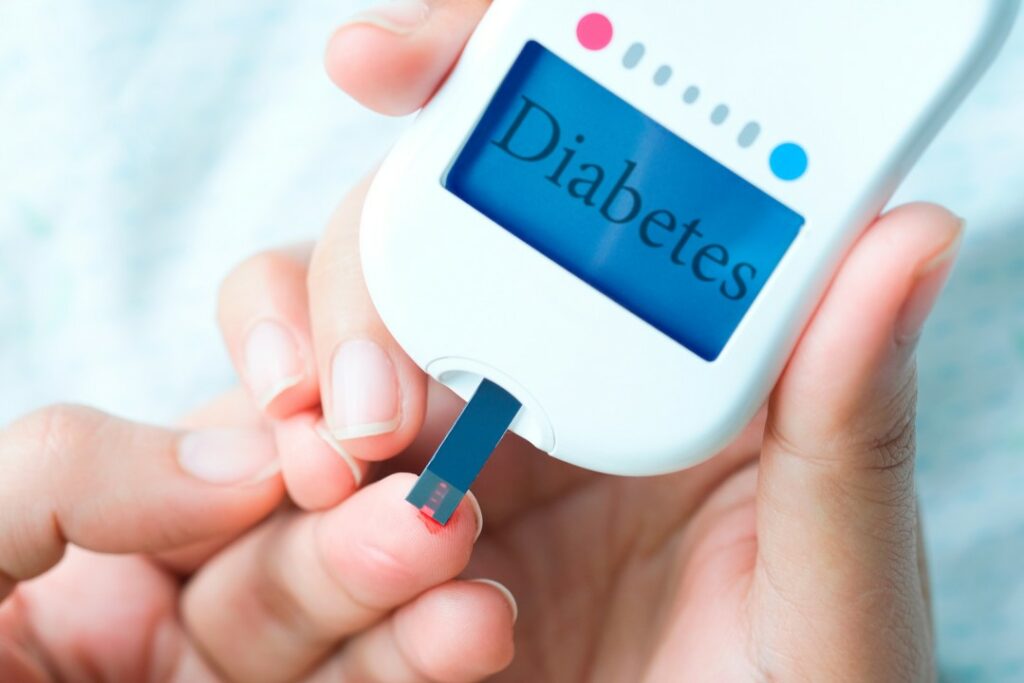
Healthcare is vast and digitalization which has left no field untouched is producing hope for a better quality of life and longer lifespan. Digitalization comprises hospital care, clinical services, nursing homes, home healthcare, medications, research and development, and more.
Equipped with personal healthcare data through medical devices, health trackers and more, patients’ walking into doctors’ offices or in remote spaces are instrumental in assisting doctors in preventive healthcare and averting serious illnesses.
Nature.com notes that McKinsey & Company, a management consulting firm, projects that more than 75% of all patients are expected to use digital services in the future. Digitalization of health not only allows for better monitoring of disease progression and general health tracking, it also enables to physicians to provide better and more personalized cares and efficient diagnoses of patients through access to quality care, interoperability, and care delivery.
Being equipped with knowledge through information available on the internet and data collected on wearables, patients working together with doctors in a process of continuous consultation are being empowered in their wellness. Digital healthcare is revolutionizing the way health conditions are treated, managed, and prevented and paving the way for preventive healthcare.
For example, smart watches are known to count the heart rate, steps we take, and are able to take an ECG as well. As smartwatches constantly transmit heath data online, real-time data monitoring by doctors can help them to proactively keep unfortunate incidences at bay in patients’ lives.
What’s more fascinating is that digital healthcare is decentralizing clinical trials from hospitals to patients’ homes which is making these trials more successful. Dropout rates have also fallen as a result. Conducted in the comfort of patients’ homes, these remote trials are helping with recruitment, communication, data capturing, and patient monitoring. Wearables are able to record and analyze measurements such as vital signs and quickly relay them to the study group
Increasing data availability and insight generation capabilities of digital healthcare are the reasons for these changes. As a result, not only has the efficacy of drugs been expedited, faster and better coordination of healthcare is possible and the most obvious example of this is telehealth where clinical care can be delivered remotely.