Learning to code a decade ago revolutionized my approach to medicine. By developing healthcare apps, I have managed to help many healthcare departments or units solve work-related issues. The best part? I achieved these while still practising full-time as a clinician.
Coding empowers doctors to tackle real-world challenges in healthcare. Whether it is inefficient software, gaps in patient care coordination, or the ever-growing volume of medical data, coding equips us with the tools to make a difference. Do not be discouraged if you do not have a computer science degree – there are fantastic resources designed for busy professionals to acquire coding skills one step at a time.
Why Should Doctors Learn to Code?

The short answer is: being able to directly apply your clinical expertise in technology. Such flexibility can be very powerful. As a doctor-coder, some tech products that you can work on include:
- Creating custom digital tools for your practice: Imagine designing an app that seamlessly integrates your patient records, schedules appointments based on your availability, and even sends automated reminders for follow-ups. No more clunky EHRs (Electronic Health Records) or inflexible software! For example, a dermatologist develops an image analysis app to assist with early skin cancer detection, streamlining their workflow and improving diagnostic accuracy.
- Gaining insights from patient data: Make data-driven decisions by writing code to analyze patterns in patient outcomes, drug efficacy, and disease prevalence. This leads to tailored treatment plans and proactive population health management. For example, an oncologist creates a visualization tool to track patient progress over time, helping with treatment adjustments and identifying potential complications early on.
- Automating tedious tasks and save time: From automating insurance claim generation to creating custom prescription templates, programming skills free up valuable time for meaningful doctor-patient interactions. For example, a paediatrician develops a simple app streamlining vaccination reminders, reducing missed appointments and improving immunization rates within the community.
Skills Transfer Seamlessly: Why You’re Already Well-Equipped

My experience practicing medicine alongside collaborating with programmers has highlighted the remarkable overlap in the way we (i.e. doctors and programmers) think. Here are a few core skills doctors possess that give them a natural edge in becoming skilled programmers:
- Problem-solving: Diagnosing patients requires the same analytical approach when deciphering complex code. You’re already trained to break down a problem and systematically identify solutions.
- Logical thinking: Clinical decision-making demands a clear, step-by-step process, much like writing an efficient algorithm.
- Attention to detail: Precision in patient care directly translates to the meticulousness required in programming, where a single misplaced character can break your code.
Getting Started with Your Coding Journey
Explore the numerous online resources and books available – find one that matches your learning style. I favour project-based learning over traditional chapter-by-chapter methods for a more engaging experience. The rewarding experience that you feel when you are making progress on a project, can help you to maintain your motivation to keep going.
How should you get started? Let me share some tips that I hope can help you in your coding journey:
1. Choosing Your First Programming Language
There are just too many programming languages out there and choosing one can be overwhelming for a beginner. I think there are a few excellent starting points:
- Python: A versatile and beginner-friendly language ideal for general programming, data analysis, machine learning and web development. Explore resources tailored specifically for medical coding and analysis.
- Ruby: Similar to Python, Ruby boasts a clear and readable syntax, which makes it beginner-friendly.
- JavaScript: The powerhouse behind interactive websites and countless other applications.
Once you have mastered one programming language, learning additional ones becomes significantly easier. This is because most languages share common patterns, concepts, and keywords. As you gain fluency in multiple languages, you will start to appreciate the design decisions behind them and understand why specific languages are better suited for particular tasks.
2. Online Learning Platforms
Online learning platforms are fantastic resources for those want to learn programming because of their interactive nature and the contents are often spread into small chunks, allowing you to follow along at your own pace, one small topic at a time. If you prefer online learning, try to browse these:
- Coursera, Udemy: Offerred structured curricula with videos and exercises.
- FreeCodeCamp: A fantastic resource for free coding tutorials.
- YouTube: There are many helpful tutorials and coding channels.
3. Use AI to Enhance Your Learning Journey
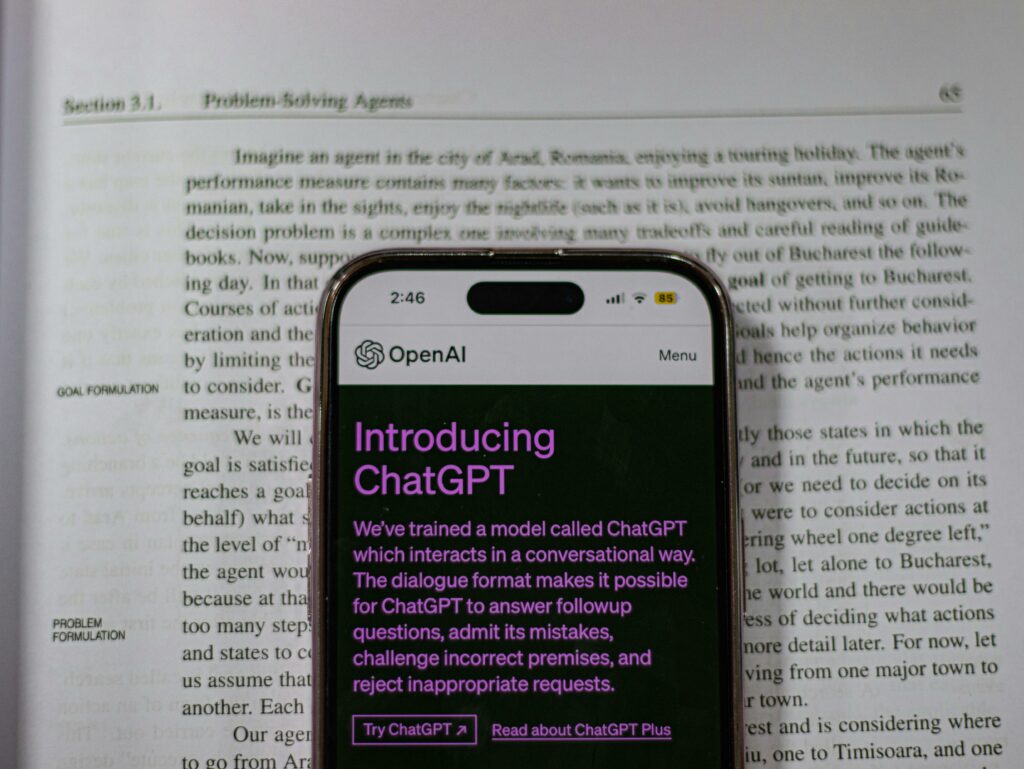
The emergence of powerful language models like ChatGPT and Gemini has transformed the way we learn. I agree that, used responsibly, AI can become a valuable learning companion. Its ability to synthesize massive datasets makes finding resources and solving coding challenges quicker and more efficient. Personally, I have saved countless hours using AI to clarify concepts and troubleshoot code, rather than spending endless time on search engines looking for answers.
4. Practice consistently
As a fellow clinician, I understand how busy our schedules are. However, consistent practice is key to making progress with coding. Instead of aimlessly scrolling social media during quick breaks, turn those into mini-coding sessions. Whether it is 10 minutes of refining your project or watching a coding tutorial, consistency is essential. The more time you dedicate, the faster you will see results!
Conclusion
Coding is not just about technology; it is about unlocking a physician’s potential to create solutions that directly impact patient lives. Consider the challenges you see in your practice – chances are, code could help solve them. Start small, explore the vast array of learning resources, and join a community of like-minded doctors-turned-coders. The future of healthcare innovation might just be written by you.